

Table of Contents
- Can Dubai Build the Next Global Yacht Manufacturing Brand?
- Dubai’s Maritime Heritage and Boatbuilding Tradition
- The UAE’s Existing Yacht Manufacturing Industry
- Global Yacht Manufacturers: The Competitive Landscape
- Is There Enough Demand for Yachts in the Gulf?
- Why Dubai Could Be a Strategic Yacht Manufacturing Hub
- The 60-Foot Yacht: A Potential Sweet Spot
- What Does It Take to Build a Yacht Factory in Dubai?
- Estimated Factory Investment and Startup Costs
- Workforce and Labor Costs in Dubai
- How Much Does It Cost to Build a 60-Foot Yacht?
- Potential Profit Per Yacht
- Marketing, Sales and International Distribution
- After-Sales Service, Refits and Recurring Revenue
- Designing Yachts Specifically for the Gulf Market
- Government Support and the UAE’s Manufacturing Ambition
- A Potential Five-Year Growth Strategy
- Key Risks Every Yacht Manufacturer Should Consider
- Is Yacht Manufacturing in Dubai Economically Viable?
- Conclusion: Building a Gulf-Focused Yacht Brand
The Business Case for Building a Yacht Manufacturing Factory in Dubai
Dubai has spent decades building an economy around trade, tourism, aviation, real estate and luxury. It has also built something less visible but potentially just as important: a regional maritime ecosystem.
Today, Dubai attracts some of the world’s most expensive yachts, hosts one of the Middle East’s largest international boat shows, provides access to wealthy customers across the Gulf and increasingly positions itself as a center for advanced manufacturing.
The question, however, is different from whether Dubai can attract yachts.
Can Dubai economically manufacture them?
More specifically, could a new company establish a factory capable of producing two or three 60-foot semi-custom yachts per year and eventually develop that operation into a profitable regional yacht brand?
The answer is potentially yes.
But it is not because Dubai can simply offer cheaper labor or lower production costs than Italy, Germany or the Netherlands. It cannot automatically compete with those countries on that basis.
The opportunity lies elsewhere.
Dubai offers something established European shipyards cannot easily reproduce from Europe: proximity to the Gulf’s wealthy customer base, regional service infrastructure, international logistics, a luxury-oriented economy and a government that has identified maritime manufacturing as part of its industrial ambitions.
That creates the foundation for a different type of yacht manufacturer.
Not another Feadship.
Not another Lürssen.
Not another Benetti.
Instead, Dubai could build a new category around Gulf-focused, semi-custom luxury yachts designed, manufactured and serviced in the region.
That distinction is critical.
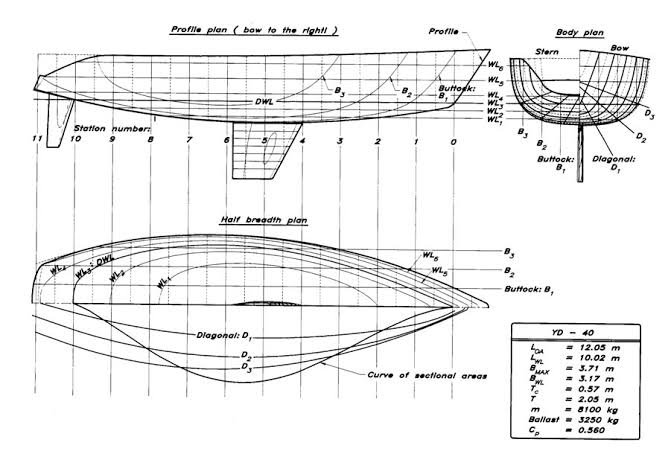
The Sea Was Already Part of the Gulf Economy
The modern yacht industry may look like an industry of billionaires, luxury marinas and supercars, but the Gulf’s relationship with boatbuilding is much older than the modern luxury economy.
Long before Dubai became a global financial and tourism center, the sea was fundamental to life along the Arabian Gulf.
Fishing, pearl diving, transportation and maritime trade supported coastal communities. Boats were not recreational assets. They were economic infrastructure.
Traditional shipbuilders, known as Galafah, developed specialized knowledge for constructing wooden vessels adapted to the Gulf’s marine environment. Boats were built from timber and other materials, with traditional methods used to join and seal wooden planks. The vessels were used for fishing, pearl diving, transportation and long-distance trade.
The dhow became one of the most recognizable symbols of this maritime culture.
Dubai Creek itself played a fundamental role in the city’s commercial development. Boats moved goods and people through the creek while larger vessels connected Dubai with other Gulf ports and trading destinations extending toward India and East Africa.
This was not simply a cultural tradition.
It was a functioning maritime economy.
Traditional boatbuilders were effectively solving the same fundamental problem modern yacht manufacturers still face:
How do you build a vessel that is reliable, efficient and appropriate for the waters and customers it serves?
The materials and technology have changed dramatically.
Wood has given way to fiberglass, carbon fiber, aluminum and advanced composites. Traditional navigation has been replaced by satellite systems, radar, digital displays and integrated electronics. Engines have become dramatically more powerful and efficient.
But the geographic logic remains.
The Gulf is still a maritime market.
And Dubai is still positioned at its center.
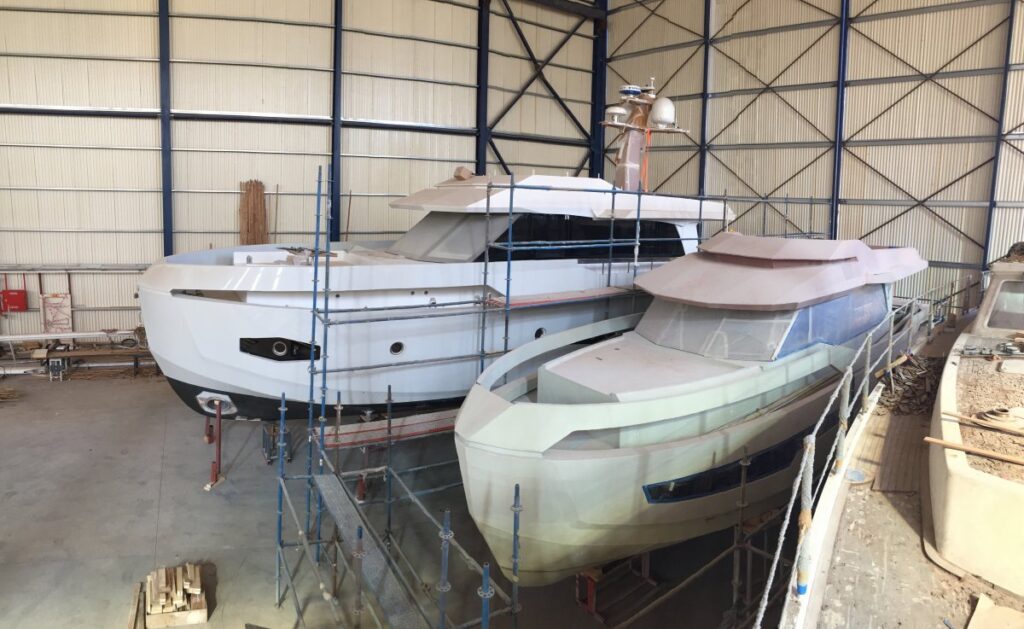
Dubai Has Already Proved That UAE-Built Yachts Are Possible
The strongest argument for a new Dubai yacht manufacturer is not theoretical.
The UAE already has a successful example.
Gulf Craft, founded in 1982 in Ajman, started on a relatively small scale producing fishing boats for the local market. The company subsequently moved into leisure craft and larger yachts, eventually developing international brands including Majesty, Nomad, Oryx and Silvercraft.
The evolution is particularly relevant for a new entrant.
Gulf Craft did not begin by building 175-foot superyachts.
It started with smaller vessels and developed capabilities progressively.
Today the company says it has built more than 10,000 boats and has manufacturing facilities in the UAE and Maldives. Its product range extends from smaller boats to large superyachts.
Its flagship Majesty 175 provides perhaps the clearest demonstration of what is possible in the UAE.
The 175-foot yacht was manufactured in the UAE using advanced composite construction and was presented at Dubai Harbour in 2021. Gulf Craft describes it as the world’s largest composite production superyacht at its launch.
The lesson for investors is straightforward:
The UAE does not need to prove that yacht manufacturing is technically possible.
That proof already exists.
The challenge is creating a business model that works for a new manufacturer.
The Competitive Landscape Is Brutal
Any investor considering a yacht factory in Dubai needs to understand one uncomfortable fact.
This is not an easy industry.
The world’s established yacht manufacturers have extraordinary advantages.
Consider Feadship.
The Dutch group has roots going back generations and has developed one of the strongest reputations in the global superyacht market. Its business is built around engineering, craftsmanship, customization and relationships with extremely wealthy customers.
Then there is Lürssen in Germany, whose shipbuilding history dates back to 1875.
Italy brings manufacturers such as Benetti and Sanlorenzo, while the Netherlands is home to major players such as Oceanco and Amels.
These companies have something a new Dubai manufacturer cannot manufacture with money alone:
heritage.
A yacht customer buying a $3 million, $10 million or $50 million vessel is purchasing much more than a physical boat.
The customer is buying confidence.
Confidence that:
- the manufacturer will still exist in ten years;
- spare parts will be available;
- engineers will understand the vessel;
- warranty problems will be resolved;
- resale value will be supported;
- the yacht can be serviced internationally;
- future refits will be possible.
That makes brand building one of the biggest barriers to entry.
A new Dubai manufacturer therefore should not try to win the same battle as the established European brands.
It should choose a different battlefield.
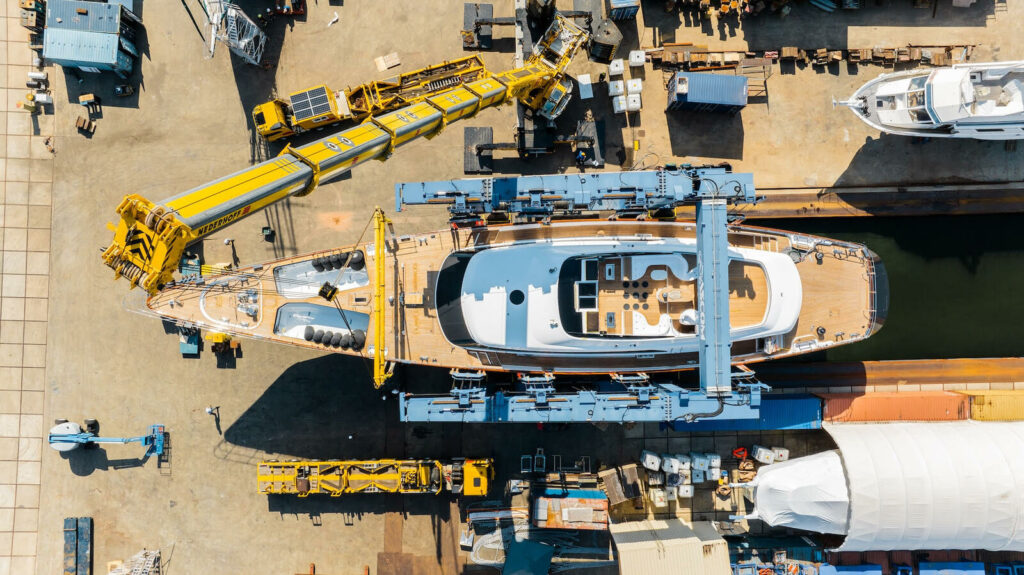
The Gulf May Be the Battlefield
The most compelling argument for manufacturing yachts in Dubai is not the Dubai market alone.
It is the wider GCC market.
The UAE, Saudi Arabia, Qatar, Kuwait, Bahrain and Oman together form a geographically concentrated market with substantial wealth and a strong relationship with luxury goods, hospitality and marine leisure.
Dubai already serves as a commercial and tourism hub for this wider region.
The Dubai International Boat Show is a useful indicator of the market’s international connectivity.
The 2025 edition brought together more than 1,000 brands from more than 60 countries and displayed more than 200 yachts and watercraft. The event included major international yacht brands as well as UAE-based manufacturers.
The 2026 event materials report that the 2025 show attracted more than 30,000 visitors and that the yachts displayed had a combined value of approximately AED 3.1 billion.
Those numbers do not prove that a particular new manufacturer will succeed.
They do, however, demonstrate that Dubai has developed into a substantial meeting point for yacht manufacturers, brokers, suppliers, investors and buyers.
That distinction matters.
A manufacturing business does not necessarily need a huge domestic market if it sits inside a strong regional market.
Dubai can function as the factory.
The GCC can function as the customer base.
Geography Becomes a Commercial Advantage
Suppose a customer in Saudi Arabia orders a 60-foot yacht from a European shipyard.
The yacht may need to be transported thousands of kilometers before reaching its final market.
The customer may also need to travel to Europe during construction if they want to inspect the vessel, approve interior details or participate in sea trials.
Now consider a yacht manufactured in the UAE.
The customer could potentially:
- visit the factory regularly;
- inspect construction;
- approve materials in person;
- change selected interior specifications;
- participate in sea trials;
- take delivery regionally;
- return the yacht to the same regional service network.
That is not simply a convenience.
It can become part of the product.
A wealthy customer may accept a slightly higher manufacturing price if the manufacturer provides dramatically better access and after-sales support.
This is especially relevant for semi-custom yachts.
Instead of offering only a fixed production model, the manufacturer could allow customers to customize:
- Interior layouts
- Furniture
- Upholstery
- Flooring
- Lighting
- Entertainment systems
- Navigation equipment
- Exterior colors
- Tender configuration
- Water toys
- Crew arrangements
The result would be a yacht that feels custom-built without requiring the economics of a completely one-off superyacht.
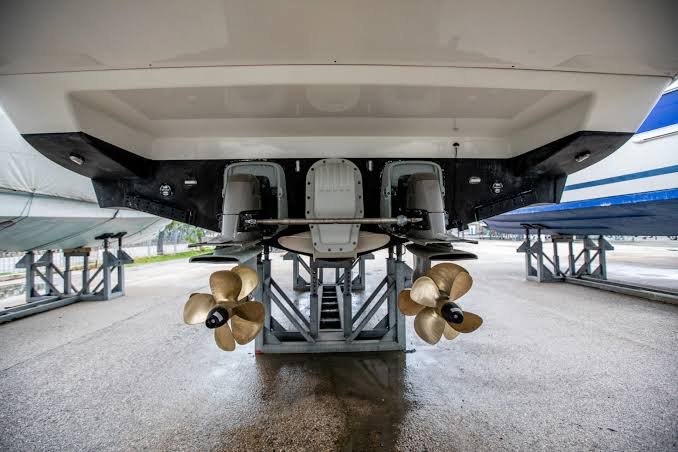
The 60-Foot Segment Could Be the Sweet Spot
For a new manufacturer, the 60-foot segment is particularly interesting.
At approximately 18.3 meters, a 60-foot yacht is large enough to offer a serious luxury experience while remaining significantly less complex than a 100- to 150-foot superyacht.
A well-designed 60-foot yacht can provide:
- Three or four guest cabins;
- crew accommodation;
- large outdoor entertaining areas;
- a premium owner’s suite;
- multiple bathrooms;
- substantial engine capacity;
- advanced navigation;
- generators;
- air-conditioning;
- watermakers;
- sophisticated electrical systems;
- large fuel and water capacity.
It is therefore large enough to command a multi-million-dollar selling price.
At the same time, it can potentially be standardized sufficiently to make semi-custom production commercially viable.
That is the crucial word:
semi-custom.
A completely custom yacht is effectively a new engineering project every time.
A semi-custom yacht can use:
- the same hull platform;
- the same engine options;
- the same electrical architecture;
- the same plumbing systems;
- the same structural engineering;
- the same molds;
- the same manufacturing processes.
The customer gets customization.
The manufacturer gets repeatability.
That is where the economics become interesting.
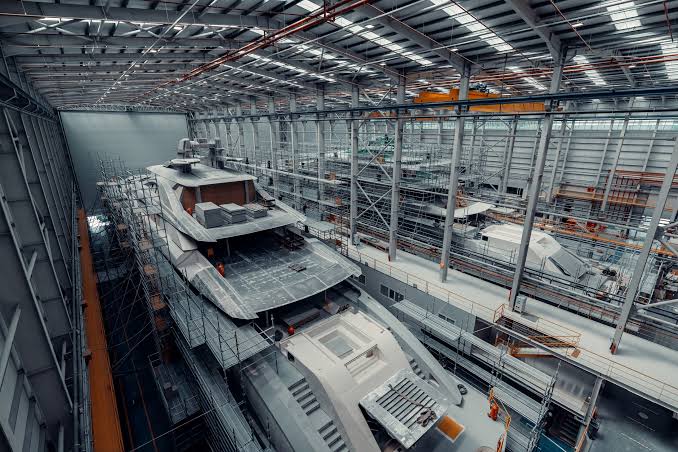
What Would the Factory Actually Look Like?
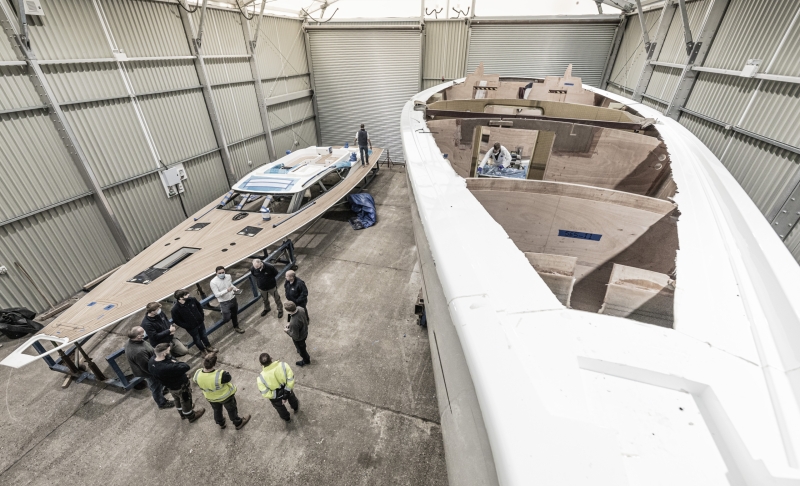
A small manufacturer producing two or three 60-foot yachts per year does not need to build a giant industrial complex.
It needs a carefully designed production facility.
A planning assumption of approximately 25,000–45,000 square feet could be reasonable for a small operation, depending on how much is outsourced and whether waterfront infrastructure is included.
The facility could contain:
1. Main production hall
Large enough for hull construction and final assembly.
2. Composite workshop
For fiberglass, resin, core materials and structural components.
3. Interior workshop
For cabinetry, flooring, furniture and joinery.
4. Mechanical workshop
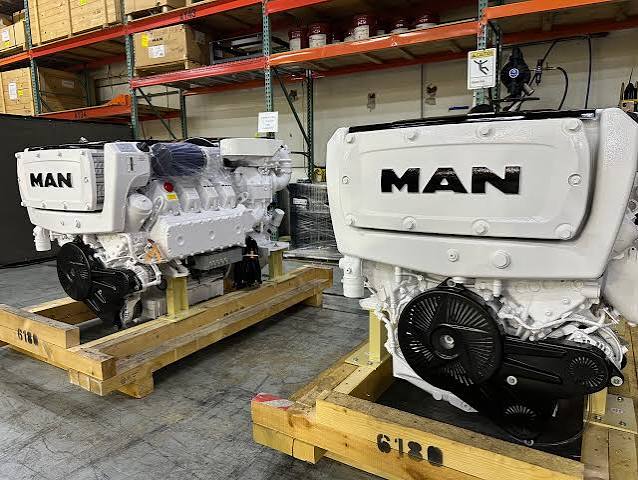
For engines, generators, pumps and mechanical systems.
5. Electrical and electronics workshop
For wiring, navigation and control systems.
6. Paint and finishing area
Essential for achieving a premium exterior finish.
7. Warehouse
For materials, components and spare parts.
8. Outdoor storage and movement area
For completed vessels and production logistics.
9. Waterfront access
Potentially the most strategically important element.
The ability to move the yacht directly from the factory to the water reduces logistical complexity and makes testing and commissioning much easier.
The Capital Requirement Is Significant—but Not Extraordinary for the Luxury Manufacturing Sector
The first misconception about yacht manufacturing is that the biggest expense is the fiberglass.
It is not.
The expensive part is creating the entire production system around the fiberglass.
A hypothetical startup could require approximately:
| Investment Category | Indicative Initial Investment |
|---|---|
| Facility preparation and deposits | AED 2–4m |
| Production machinery | AED 3–5m |
| Lifting/yard equipment | AED 2–4m |
| Molds and tooling | AED 2–4m |
| Engineering and design | AED 1.5–3m |
| Initial inventory | AED 2–4m |
| Working capital | AED 4–7m |
| Indicative total | AED 15–27m |
This is not a quotation from a UAE shipyard.
It is a planning framework for a small semi-custom manufacturer.
The actual number could be significantly higher depending on the facility, whether the property is purchased or leased, how much machinery is bought, the sophistication of the first model and the degree of vertical integration.
The key point is that a serious manufacturer should not underestimate working capital.
A yacht can take many months to build.
The company has to purchase engines, electronics, composite materials, interior components and other equipment long before it receives the final payment.
Cash-flow management is therefore as important as gross margin.
The Workforce Problem
The second major issue is labor.
A 60-foot yacht may look like one product.
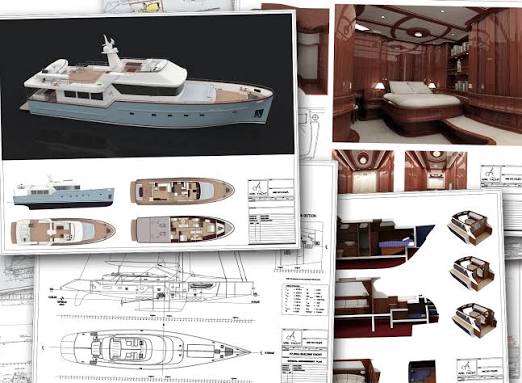
In reality, it is a collection of dozens of specialized trades.
A production team may require:
- Marine engineers
- Naval architects
- Project managers
- Composite technicians
- Laminators
- Electricians
- Marine mechanics
- Welders
- Painters
- HVAC technicians
- Plumbers
- Joiners
- Cabinetmakers
- Upholstery specialists
- Electronics technicians
- Quality-control personnel
For a factory producing two or three yachts annually, a workforce of roughly 35–55 people could be a reasonable starting planning range if selected activities are outsourced.
The problem is that Dubai does not have a massive domestic pool of workers with long-established yachtbuilding experience.
International recruitment therefore becomes essential.
That introduces additional costs:
- recruitment;
- visas and work permits;
- accommodation;
- health insurance;
- transportation;
- relocation;
- training;
- employee turnover.
This is one of the most important structural issues for policymakers.
If the UAE wants to build a global yacht manufacturing industry, the country needs more than industrial land.
It needs a marine manufacturing workforce strategy.
Gulf Craft itself has described workforce development and technical education as part of its approach to building manufacturing capabilities in the UAE.
That experience is instructive.
A sustainable industry cannot depend indefinitely on importing every skilled worker.
The Economics of a 60-Foot Yacht
Now consider the central financial question.
Assume the manufacturer develops a 60-foot semi-custom yacht with a target retail price between approximately:
USD 2.5 million and USD 3.5 million
That corresponds roughly to:
AED 9.2 million–12.9 million
before considering the precise specification, taxes, brokerage arrangements and optional equipment.
A hypothetical cost structure might look like this:
| Production Category | Indicative Cost |
|---|---|
| Engines & propulsion | AED 1.5–2.2m |
| Generators & mechanical systems | AED 0.5–0.8m |
| Navigation & electronics | AED 0.4–0.7m |
| Composite materials | AED 0.8–1.2m |
| Interior materials | AED 0.7–1.1m |
| HVAC, plumbing & electrical | AED 0.5–0.8m |
| Direct production labor | AED 1.0–1.5m |
| Paint, hardware & finishing | AED 0.4–0.7m |
| Testing, logistics & miscellaneous | AED 0.3–0.5m |
| Indicative direct cost | AED 6.1–9.5m |
Again, these are feasibility assumptions, not supplier quotations.
The engine package alone can materially change the economics.
The same is true for electronics, stabilization, interior materials, marble, appliances, audio systems and navigation equipment.
Where the Profit Actually Comes From
Suppose the yacht sells for:
AED 11 million
and direct production cost is:
AED 7.5 million.
That leaves:
AED 3.5 million
before factory overhead, marketing, financing, sales commissions, warranty and other corporate costs.
This is the point where inexperienced investors can make a dangerous mistake.
AED 3.5 million is not net profit.
A manufacturer still needs to pay for the factory.
It needs employees.
It needs insurance.
It needs sales staff.
It needs marketing.
It needs management.
It needs to maintain tooling.
It needs to provide warranty service.
It needs to finance working capital.
Therefore, the realistic target for a mature operation should be evaluated in terms of operating margin, not the apparent difference between selling price and material cost.
A well-managed semi-custom yacht manufacturer might eventually target an operating margin in the broad range of 10–20%, depending on volume, pricing power and production efficiency.
But a new manufacturer should not assume that margin from day one.
The first years are about:
learning + brand building + tooling amortization + customer acquisition.
Marketing Could Easily Cost Seven Figures
The yacht industry does not operate like mass-market consumer electronics.
A customer is not going to see an Instagram advertisement and casually purchase a $3 million yacht.
The sales cycle can take months or years.
The manufacturer therefore needs a sophisticated sales and relationship infrastructure.
An initial annual marketing and business-development budget of approximately:
AED 1–2 million
would not be unreasonable as a planning assumption for a serious luxury brand.
That budget could include:
- Dubai International Boat Show;
- Cannes Yachting Festival;
- Monaco Yacht Show;
- Saudi Arabian luxury events;
- professional photography;
- cinematic video production;
- international PR;
- yacht brokers;
- private customer events;
- sea trials;
- digital advertising;
- luxury publications;
- social media;
- customer hospitality.
The Dubai International Boat Show is particularly valuable because it connects yacht builders with international customers, brokers and suppliers. Its 2025 edition included major global brands as well as UAE manufacturers, while the show also introduced an Innovation Hub for emerging companies.
For a new brand, the boat show is not merely a marketing expense.
It is a sales channel.
The Real Business Is Bigger Than Selling New Yachts
There is another reason the Dubai model becomes attractive.
A yacht manufacturer should not depend entirely on new yacht sales.
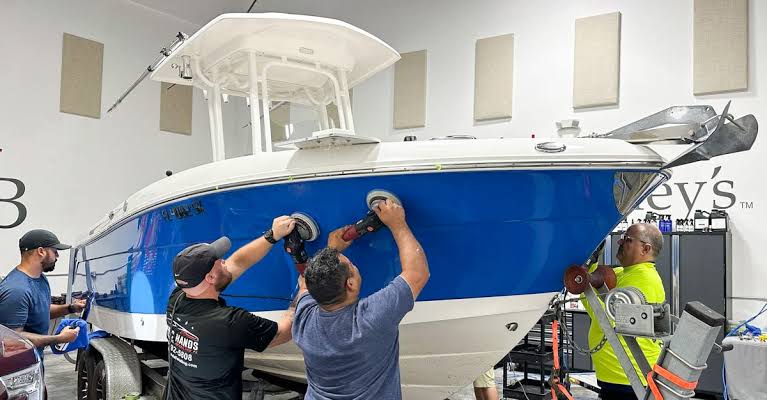
Every yacht sold eventually requires:
- maintenance;
- engine service;
- electronics upgrades;
- painting;
- fiberglass repairs;
- interior refurbishment;
- spare parts;
- annual inspections;
- refits;
- storage;
- cleaning;
- technical support.
This creates recurring revenue.
The business model can therefore evolve into:
New Yacht Sales
- After-Sales Service
- Refit & Repair
- Spare Parts
- Yacht Management
- Brokerage
- Storage
- Crew Support
This is strategically important because new yacht sales are cyclical.
Service revenue can provide a more stable base.
The Biggest Competitive Advantage Could Be Gulf-Specific Design
A Dubai manufacturer should not simply copy a European yacht.
The product should be designed around the Gulf.
Consider the environment.
Summer temperatures can be extreme.
Sun exposure is intense.
Customers spend significant time outdoors.
Privacy is important.
Air-conditioning performance is critical.
Many customers want large entertainment areas.
Shallow-water access can be valuable.
The yacht may need to spend considerable time around the UAE, Saudi Arabia, Qatar, Bahrain and Oman.
These conditions create opportunities for a specialized product.
A Gulf-oriented 60-foot yacht could emphasize:
- high-capacity air-conditioning;
- exceptional insulation;
- UV-resistant materials;
- shaded outdoor areas;
- large water capacity;
- efficient cooling systems;
- shallow draft;
- durable exterior finishes;
- large entertainment decks;
- privacy-focused layouts;
- advanced audio-visual systems;
- regional navigation packages.
This creates something European manufacturers may not optimize for to the same degree.
The company’s message would become:
Designed for the Gulf. Built in the Gulf. Serviced in the Gulf.
That is a much stronger proposition than simply saying:
“We build yachts in Dubai.”
What Government Support Could Change
The private sector can build the company.
But policy can determine how quickly the industry develops.
Five areas could have an outsized impact.
1. Competitive waterfront industrial land
Yacht manufacturers require unusual industrial properties.
They need manufacturing space and marine access.
A specialized industrial waterfront zone with predictable long-term leases could materially improve the economics.
2. Marine manufacturing clusters
A cluster could bring together:
- yacht builders;
- engine suppliers;
- electronics distributors;
- composite manufacturers;
- marine furniture companies;
- metal fabricators;
- paint suppliers;
- engineering companies;
- brokers;
- service providers.
This would reduce logistics and encourage supplier specialization.
3. Workforce development
The UAE could establish specialized vocational programs for:
- composites;
- marine electrical systems;
- marine mechanics;
- yacht carpentry;
- marine painting;
- welding;
- naval engineering.
4. Skilled-worker access
Until a large local workforce exists, manufacturers will continue to rely heavily on international specialists.
Efficient immigration and employment systems are therefore important.
5. Export incentives
A Dubai yacht factory should not be viewed only as a company serving Dubai.
Its natural market includes:
Saudi Arabia + Qatar + Kuwait + Bahrain + Oman + wider international markets.
Export-oriented industrial policies could therefore have a meaningful effect on competitiveness.
The Five-Year Question
The first question should not be:
“How many yachts can we build?”
It should be:
“How many yachts can we sell profitably?”
A sensible growth strategy might look like this:
Year 1 — Product Development
Build the first prototype.
Validate engineering.
Test the yacht extensively.
Create the brand.
Begin customer demonstrations.
Year 2 — Market Entry
Deliver one or two yachts.
Collect customer feedback.
Establish the regional service network.
Develop relationships with brokers.
Year 3 — Repeatability
Target approximately three yachts.
Reduce production time.
Standardize suppliers.
Improve margins.
Year 4 — Expansion
Target four to five yachts if demand supports it.
Introduce another model or major variant.
Year 5 — Scale
Potentially move toward five to eight yachts annually if the market, working capital and production system justify the expansion.
The objective should be controlled growth.
A factory that can theoretically produce ten yachts but cannot sell them is not a successful manufacturing business.
What Could Kill the Business?
The investment case is attractive only if the major risks are understood.
Brand Risk
A new yacht brand has no resale history.
Customers may hesitate.
Cost Risk
Engines, electronics, composite materials and imported components can fluctuate significantly.
Labor Risk
Losing a small number of experienced technicians can disrupt production.
Cash-Flow Risk
The company may spend millions before the yacht is delivered and the final payment received.
Warranty Risk
A major engineering failure can destroy the profit from multiple yachts.
Demand Risk
Luxury purchases are discretionary and sensitive to economic conditions.
Overcapacity Risk
Building a large factory before establishing demand could create enormous fixed costs.
Customization Risk
Too much customization can destroy production efficiency.
That last point is particularly important.
The entire business model depends on balancing:
customer customization
against
manufacturing standardization.
The Investment Case
So, does the investment make sense?
The answer depends on what kind of company the investor is trying to build.
If the plan is:
“Build a factory, produce expensive yachts and wait for wealthy people to buy them.”
the risk is extremely high.
If the plan is:
“Build a Gulf-focused marine luxury company around a standardized semi-custom yacht platform, supported by manufacturing, service, refit, brokerage and regional distribution.”
the business case becomes considerably more compelling.
The difference is enormous.
The factory itself is not the business.
The ecosystem is the business.
A Possible Investment Structure
A disciplined investor could structure the project in phases.
Phase One: AED 5–8 million
Focus on:
- Product design
- Engineering
- Prototype development
- Brand creation
- Supplier agreements
- Customer research
Phase Two: AED 10–15 million
Focus on:
- Factory
- Equipment
- Tooling
- Working capital
- Production team
Phase Three
Expand only after receiving customer orders or strong purchase commitments.
This approach reduces the risk of spending the entire capital budget before market validation.
The first major objective should not be a large factory.
It should be:
one excellent yacht + one satisfied customer + one repeatable production system.
The Strategic Opportunity for Dubai
Dubai does not need to become the world’s largest yacht manufacturing center to benefit from the industry.
It needs to become one of the world’s most efficient regional yacht ecosystems.
That could mean:
- manufacturing;
- sales;
- brokerage;
- refit;
- maintenance;
- yacht management;
- crew services;
- marine technology;
- financing;
- insurance;
- marina services.
The economic value of such an ecosystem is much larger than the value of the yachts themselves.
This is also consistent with Dubai’s broader industrial ambitions.
Dubai’s Industrial Strategy 2030 identifies maritime activities among the emirate’s industrial opportunities and seeks to expand manufacturing and value-added economic activity.
The direction of policy is therefore broadly aligned with the concept of developing higher-value maritime manufacturing.
Conclusion: Viable, But Not Automatically Profitable
The question is not whether Dubai can manufacture yachts.
The UAE has already answered that question.
Gulf Craft’s history, from a modest boatbuilding operation established in 1982 to a manufacturer capable of producing large composite superyachts, provides direct evidence that sophisticated yacht manufacturing can be developed in the Emirates.
The more difficult question is whether a new company can earn an adequate return on the capital invested.
That answer is conditional.
A new yacht factory in Dubai faces serious disadvantages:
- expensive industrial real estate;
- high employee-related costs;
- dependence on international skilled labor;
- imported components;
- strong European competitors;
- long production cycles;
- high working-capital requirements;
- difficult brand-building economics.
But it also has significant structural advantages:
- access to wealthy Gulf customers;
- Dubai’s international connectivity;
- established maritime infrastructure;
- a strong luxury ecosystem;
- proximity to Saudi Arabia, Qatar, Kuwait, Bahrain and Oman;
- regional after-sales opportunities;
- an established international boat-show platform;
- government interest in maritime manufacturing.
The most attractive strategy would therefore not be to challenge the world’s oldest yacht brands head-on.
It would be to create something distinctly regional.
A 55–70-foot semi-custom yacht, engineered for Gulf conditions, manufactured in the UAE, competitively priced against comparable European products and backed by a strong regional service network could occupy a meaningful position in the market.
The target should be neither the cheapest yacht nor the most extravagant yacht.
It should be the yacht that offers the customer a compelling combination of:
design + engineering + customization + regional service + convenience + value.
The historical irony is difficult to ignore.
The Gulf’s maritime economy once depended on wooden boats built by local craftsmen for fishing, pearl diving and trade.
Today, the region has the capital, infrastructure and customer base to build a much more sophisticated maritime industry.
The transformation from traditional dhow building to advanced composite yacht manufacturing is not a rejection of that history.
It is its next chapter.
For investors, however, the message should remain disciplined:
Dubai can support a yacht manufacturing business, but the factory should be built around proven demand—not the other way around.
The strongest opportunity is likely to begin small, build one exceptional platform, establish a reputation, sell two or three yachts annually, develop recurring service revenue and only then scale production.
If the UAE continues improving access to industrial waterfront space, skilled labor, vocational training, supplier ecosystems and export-oriented manufacturing support, the economics could become increasingly attractive.
The opportunity, in other words, is not simply to build yachts in Dubai.
It is to build a Gulf yacht brand in Dubai that eventually sells to the world.
